If you have thin hair, bangs can feel like a risky move — but the right bangs for thin hair can actually make your hair look fuller, softer, and more stylish. The key is choosing fringe styles that add shape and movement without stealing volume.
The best part?
Lightweight, well-blended bangs can transform your haircut while staying easy to style and grow out gracefully.
This guide breaks down the best bang styles for thin hair — and which ones to avoid.
Why Bangs Can Work for Thin Hair
When cut correctly, bangs help thin hair by:
Creating the Illusion of Fullness
Strategic fringe makes hair look denser at the front.
Adding Face-Framing Softness
Bangs draw attention to the eyes and cheekbones.
Balancing Facial Proportions
Perfect for high foreheads or long face shapes.
Refreshing Your Look Without a Big Chop
A subtle change with big impact.
Thin hair + smart bangs = instant upgrade.
Key Rules for Bangs on Thin Hair
- Keep Them Light: Wispy > thick
- Avoid Heavy Blunt Cuts: They expose thin density
- Blend Into Layers: Seamless transitions add volume
- Choose Movement: Soft angles and texture work best
- Mind the Length: Longer bangs are more forgiving
Best Bang Styles for Thin Hair
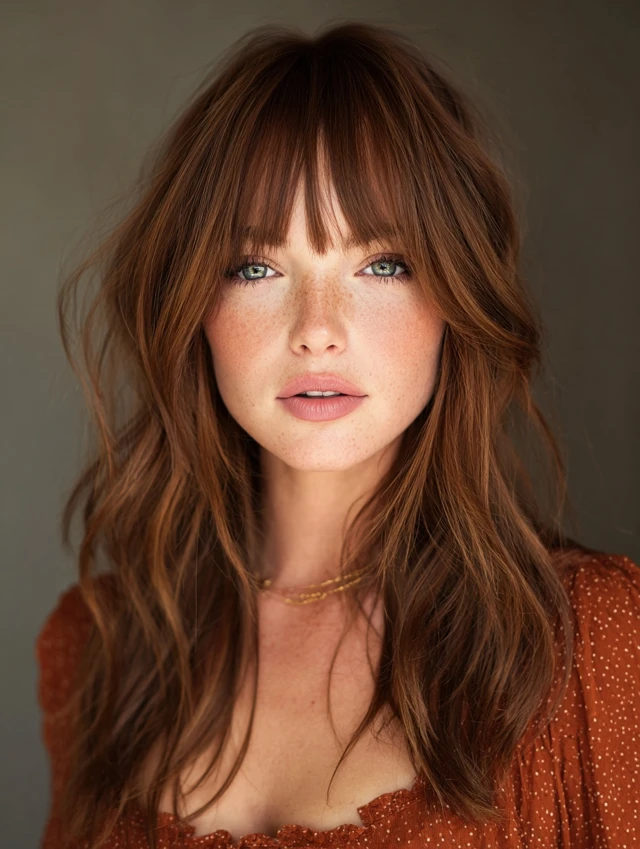
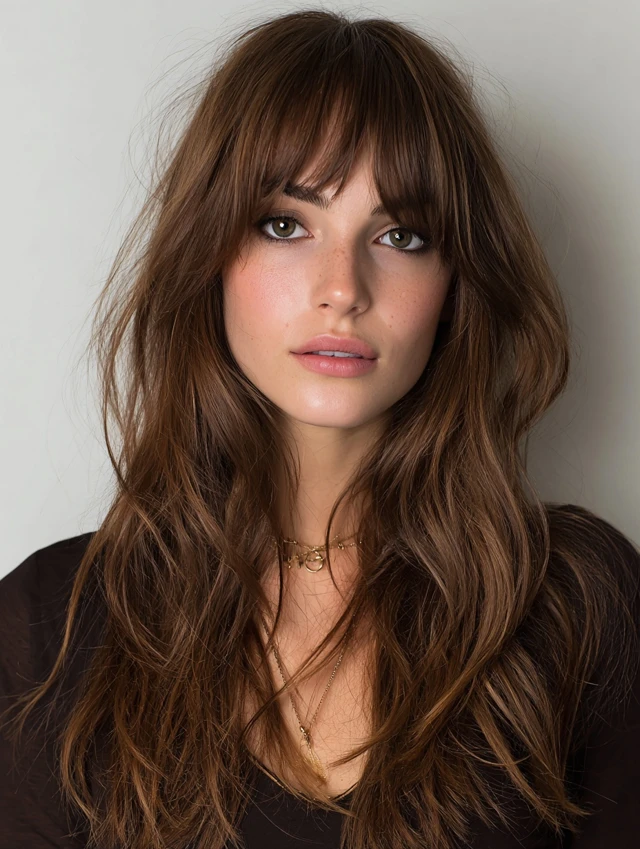
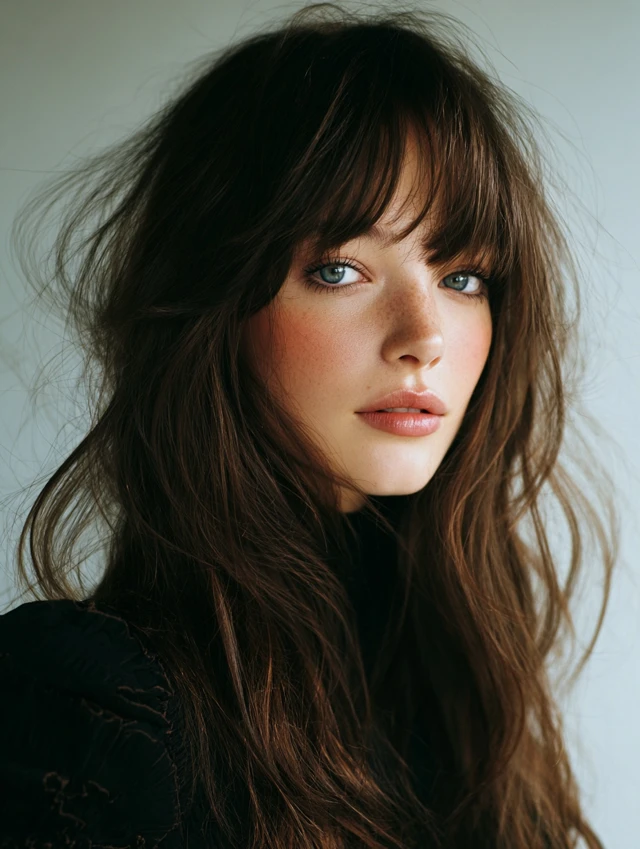
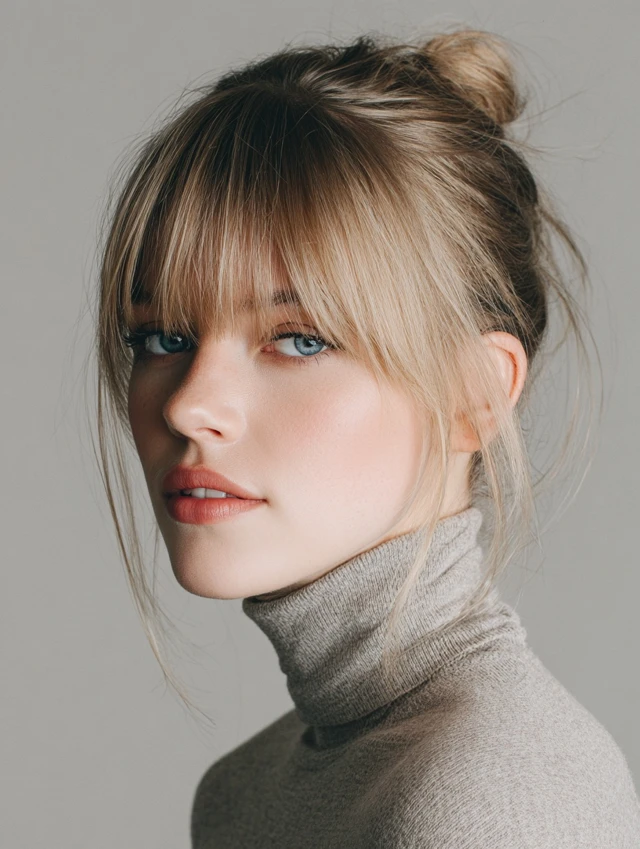
1. Wispy Bangs
Why They Work:
Feather-light strands add softness without removing bulk.
Styling Tips:
- Blow-dry gently with a small round brush
- Keep them airy, not flat
1
2
3
4
Best For:
Fine or thinning hair at any age.
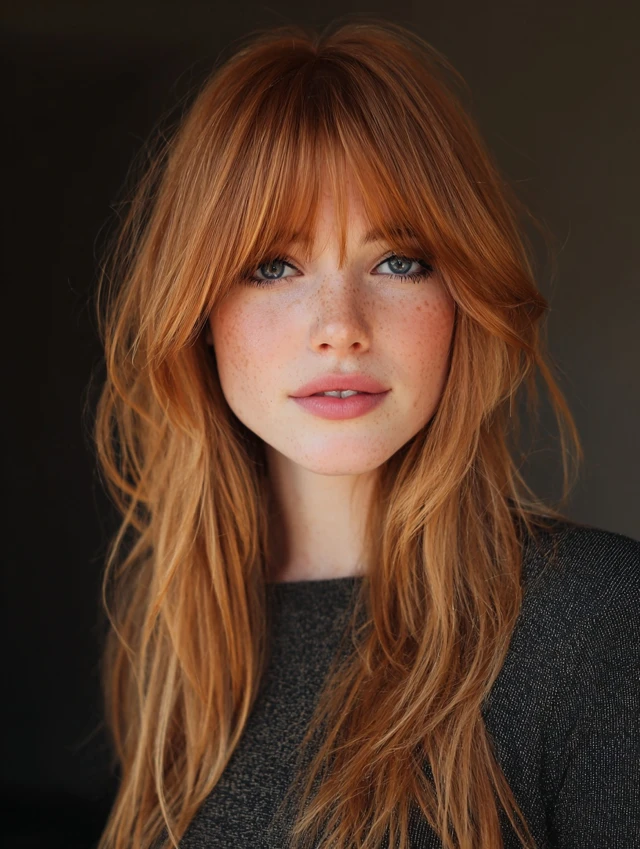
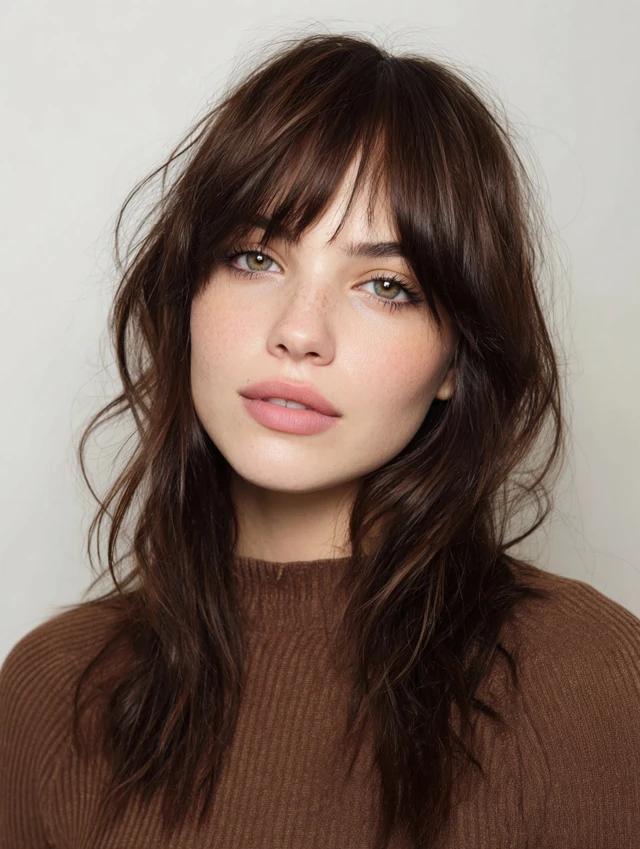
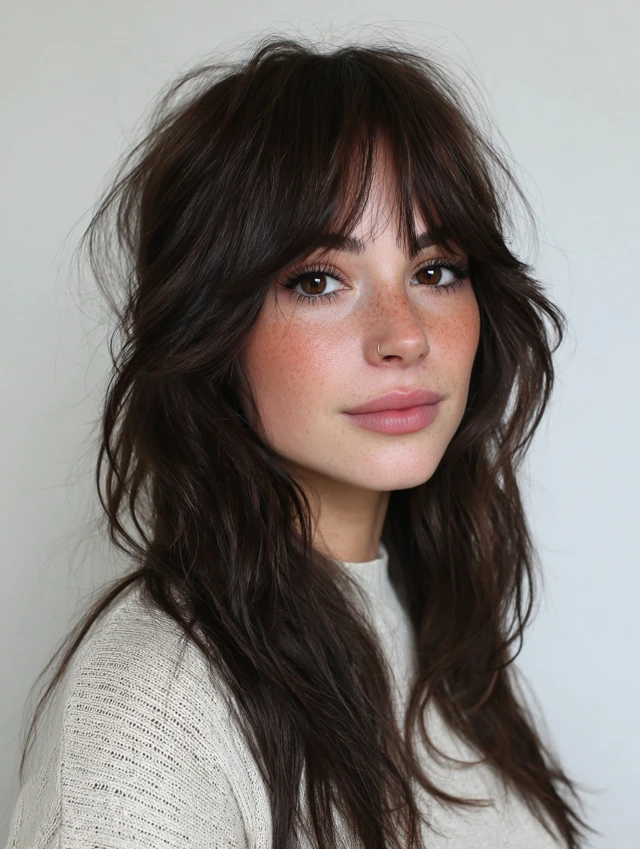
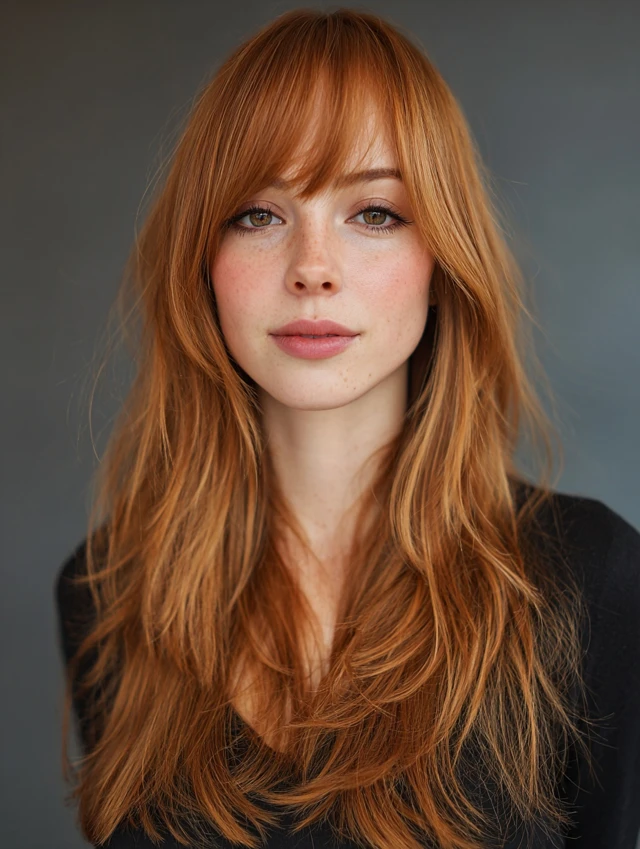
2. Side-Swept Bangs
Why They Work:
Diagonal movement creates visual thickness.
Styling Tips:
- Sweep bangs to one side
- Add light root lift near the part
1
2
3
4
Best For:
Adding fullness at the front.
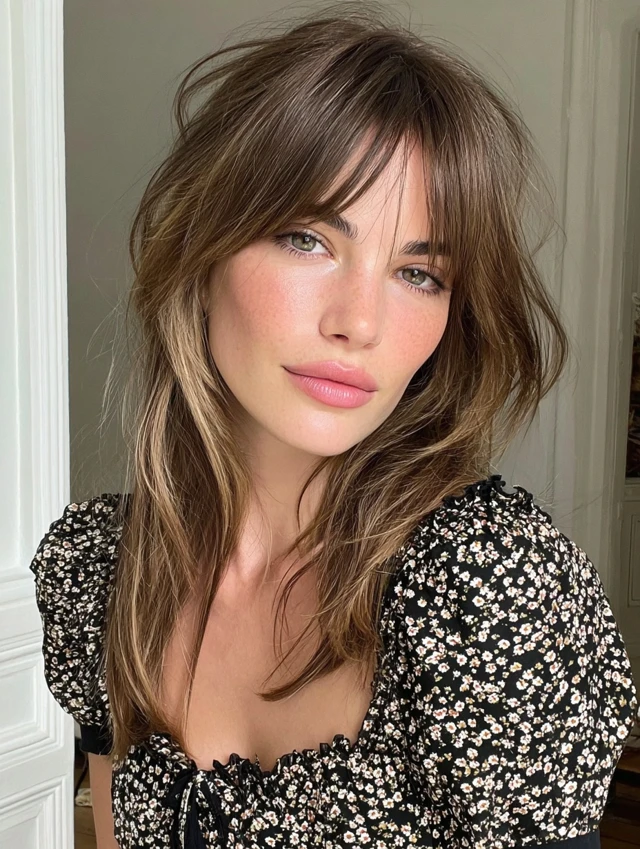
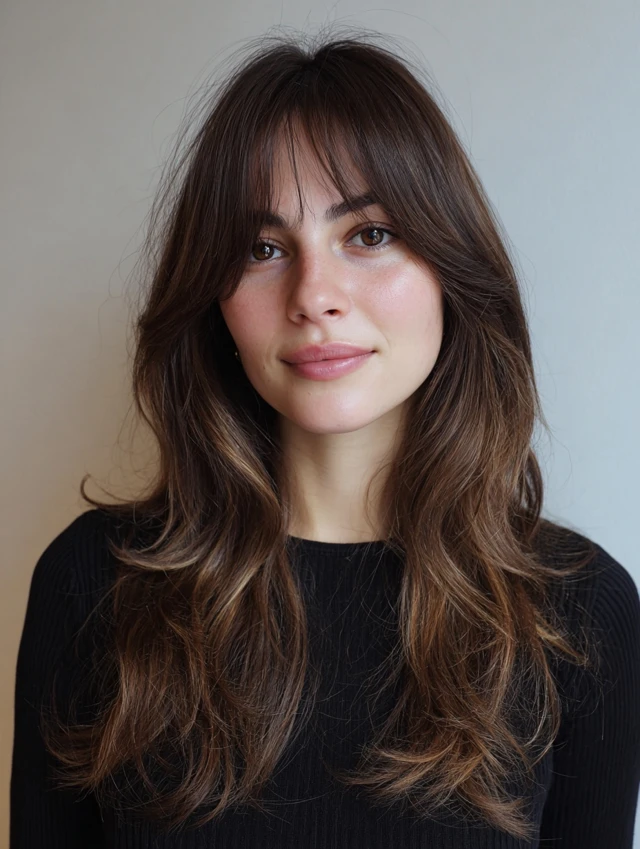
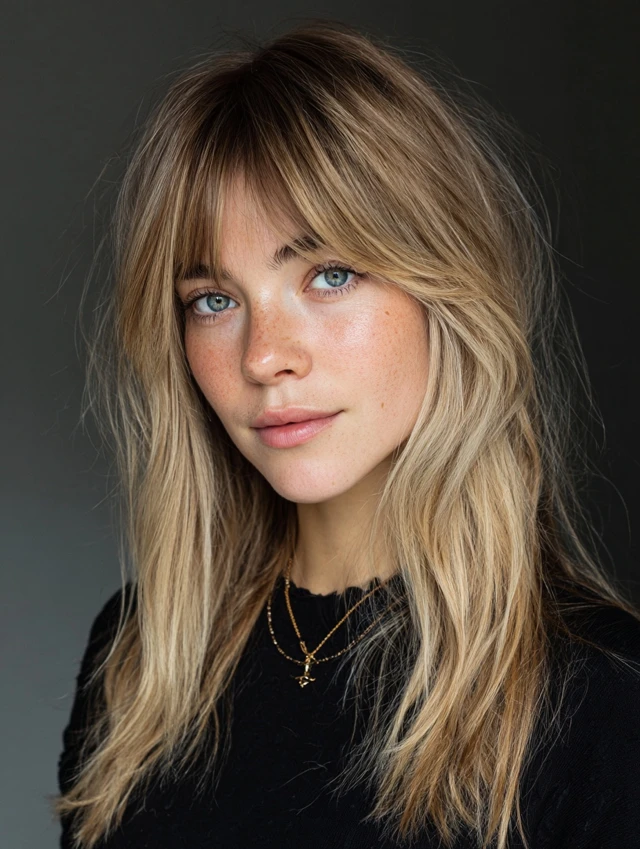
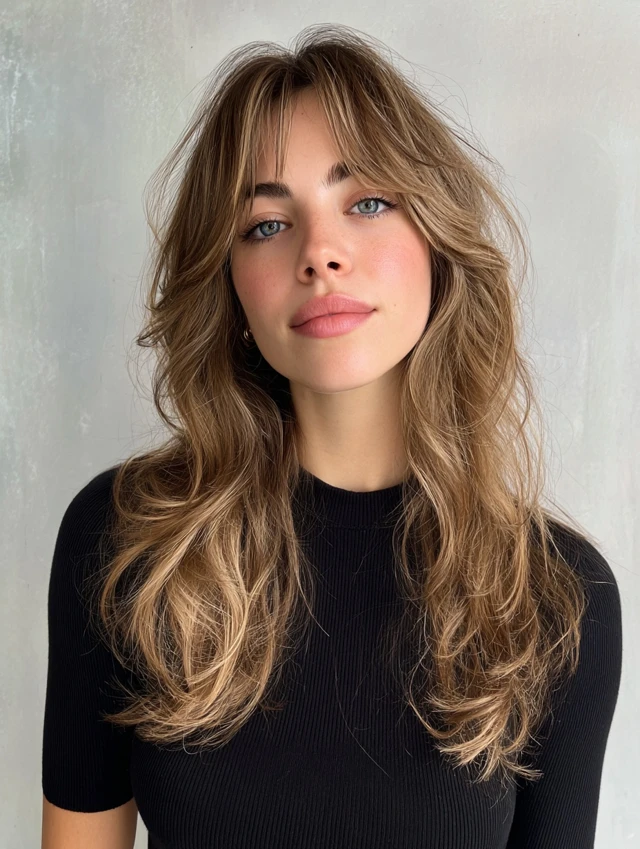
3. Curtain Bangs (Light Version)
Why They Work:
Softly parted bangs frame the face without density loss.
Styling Tips:
- Keep them longer and blended
- Style outward for volume
1
2
3
4
Best For:
Thin hair with medium to long lengths.
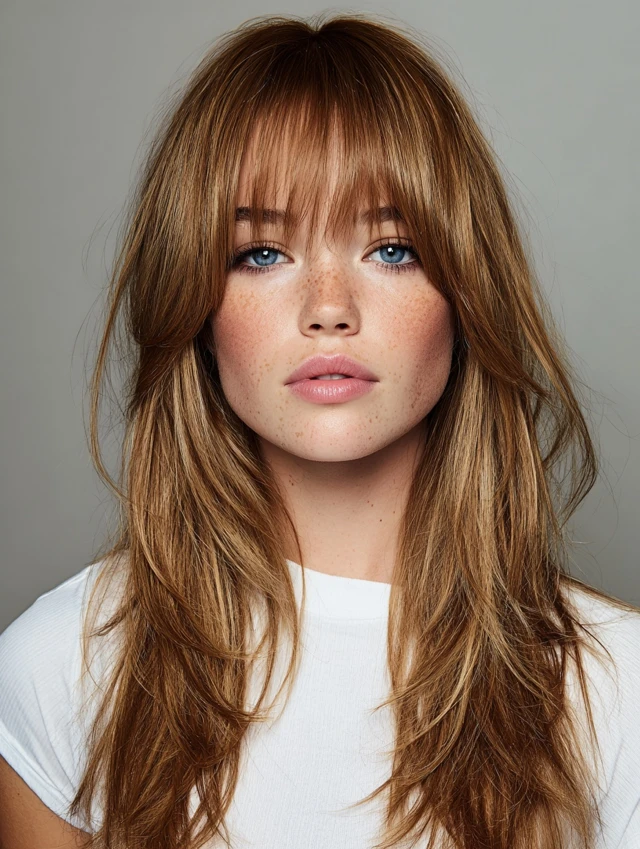
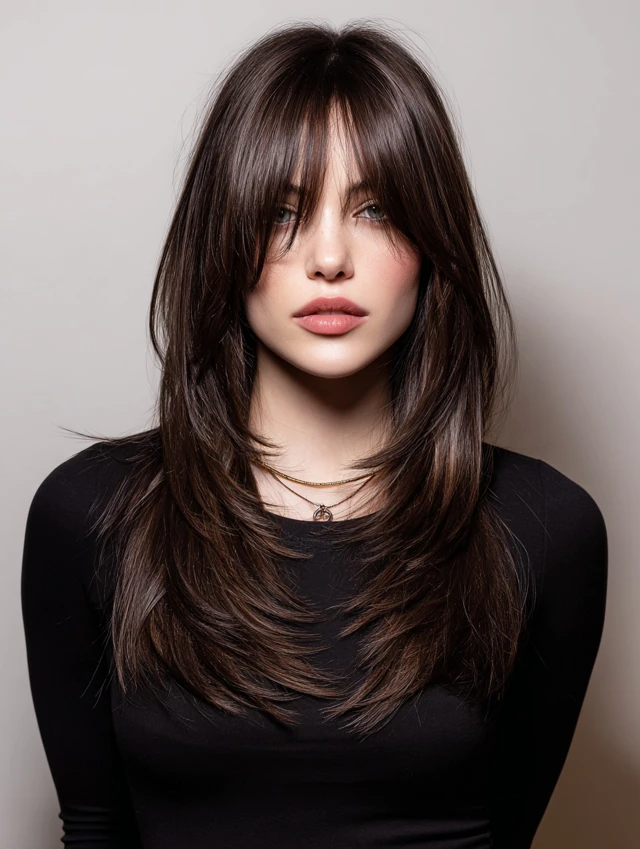
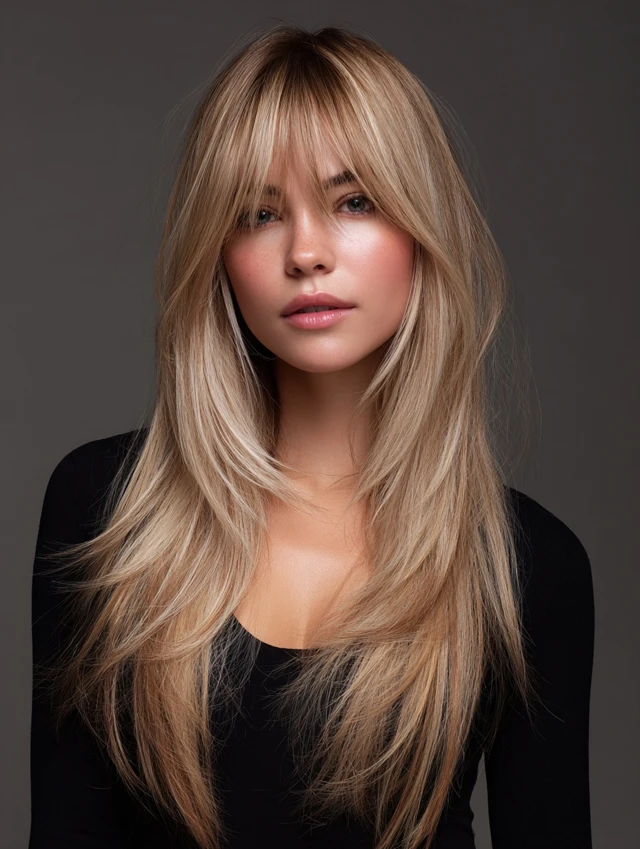
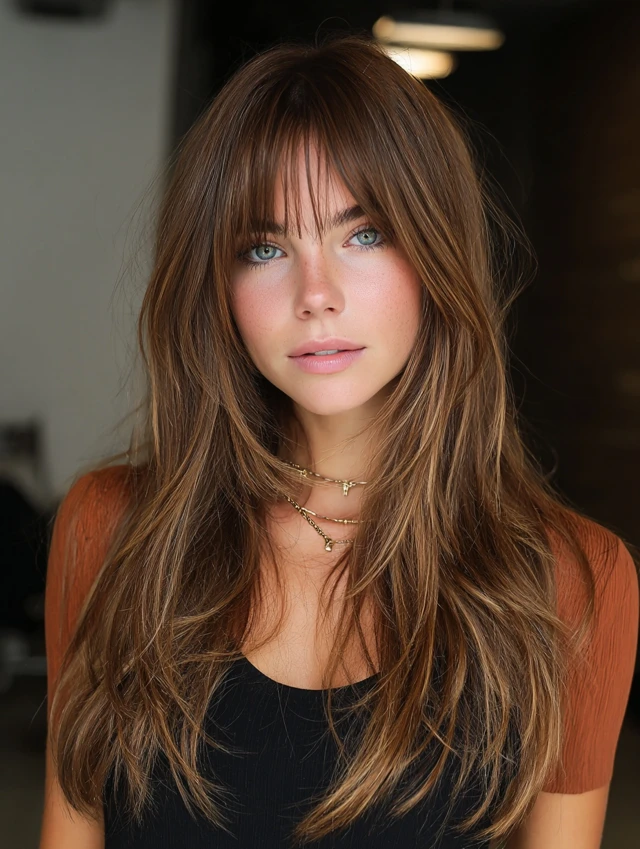
4. Long Bangs That Blend into Layers
Why They Work:
Long bangs don’t isolate thin sections.
Styling Tips:
- Let them graze cheekbones
- Style with soft waves
1
2
3
4
Best For:
Low-maintenance, grow-out-friendly styles.
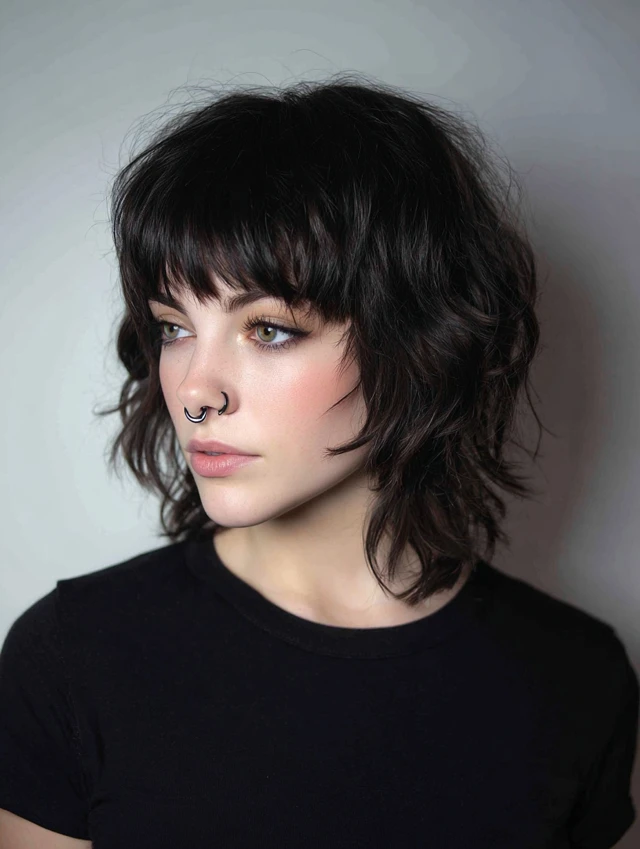
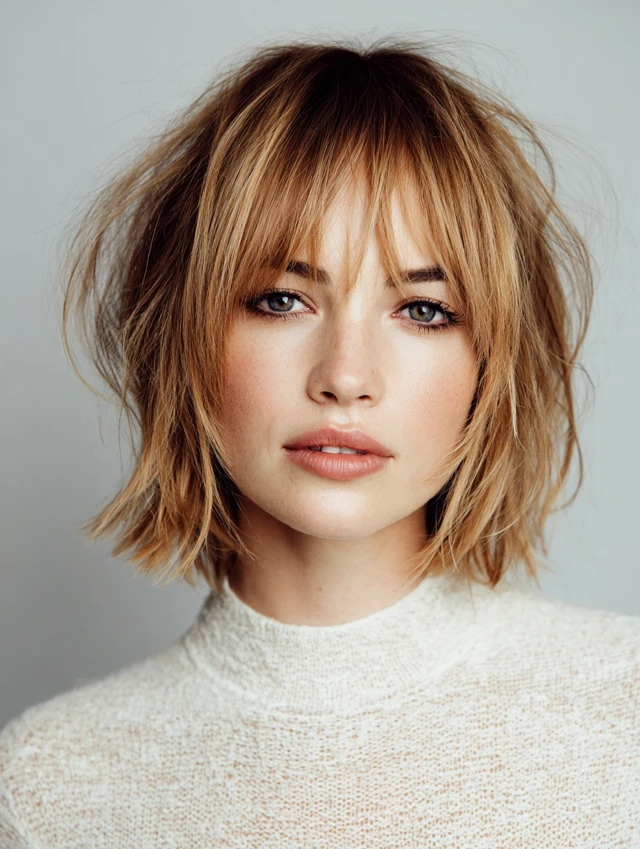
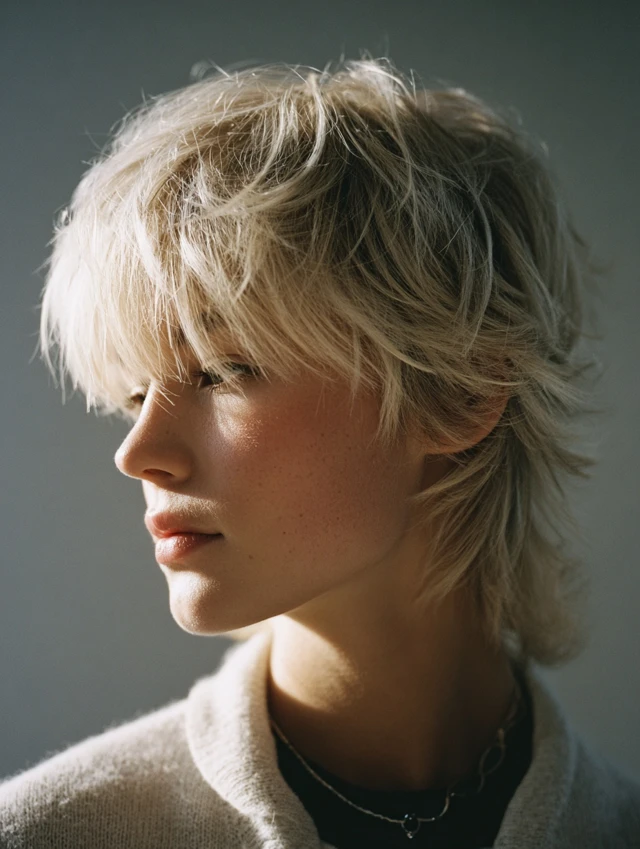
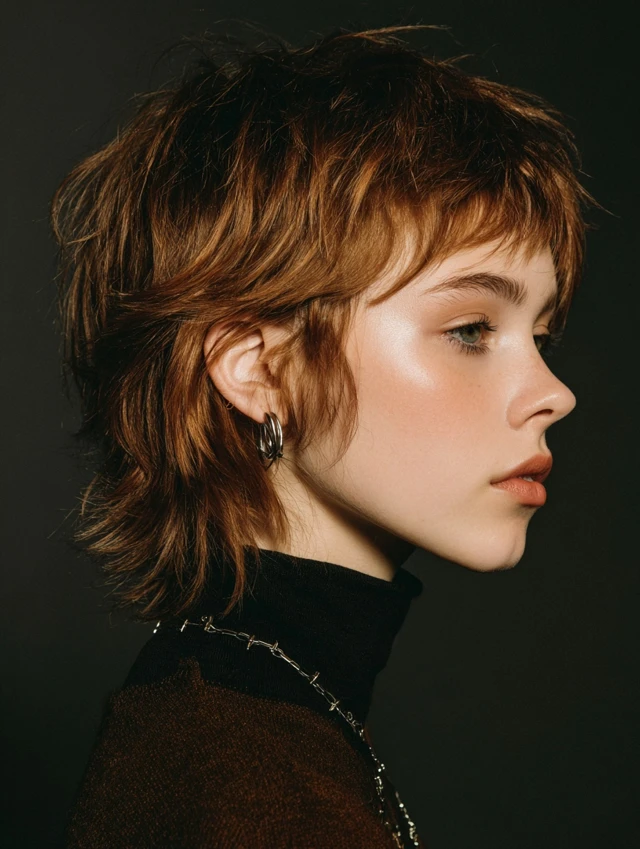
5. Textured Bangs
Why They Work:
Texture breaks up the hairline and adds movement.
Styling Tips:
- Use texturizing spray
- Avoid heavy creams or oils
1
2
3
4
Best For:
Modern, casual hairstyles.
Bangs to Avoid if You Have Thin Hair
- Thick, blunt bangs (show scalp easily)
- Ultra-short baby bangs (hard to blend)
- Over-layered fringe (can look sparse)
- Flat middle-part bangs without texture
The goal is softness, not severity.
How to Style Bangs for Thin Hair
- Blow-dry immediately after washing to avoid flatness
- Use volumizing spray at roots
- Avoid heavy styling products
- Trim every 6–8 weeks
- Switch up your part for instant lift
Small styling tweaks = big difference.
Who Bangs for Thin Hair Are Best For
- Fine or thinning hair
- Women over 40, 50, or 60
- High foreheads
- Anyone wanting a soft, face-framing update
With the right cut, bangs can enhance thin hair beautifully.
Final Thoughts: Light, Flattering & Confidence-Boosting
Bangs for thin hair don’t need to be thick to be effective. With wispy texture, smart blending, and gentle movement, bangs can add fullness, frame your face, and refresh your look effortlessly.
Because great hair isn’t about how much you have —
it’s about how you shape it ✨